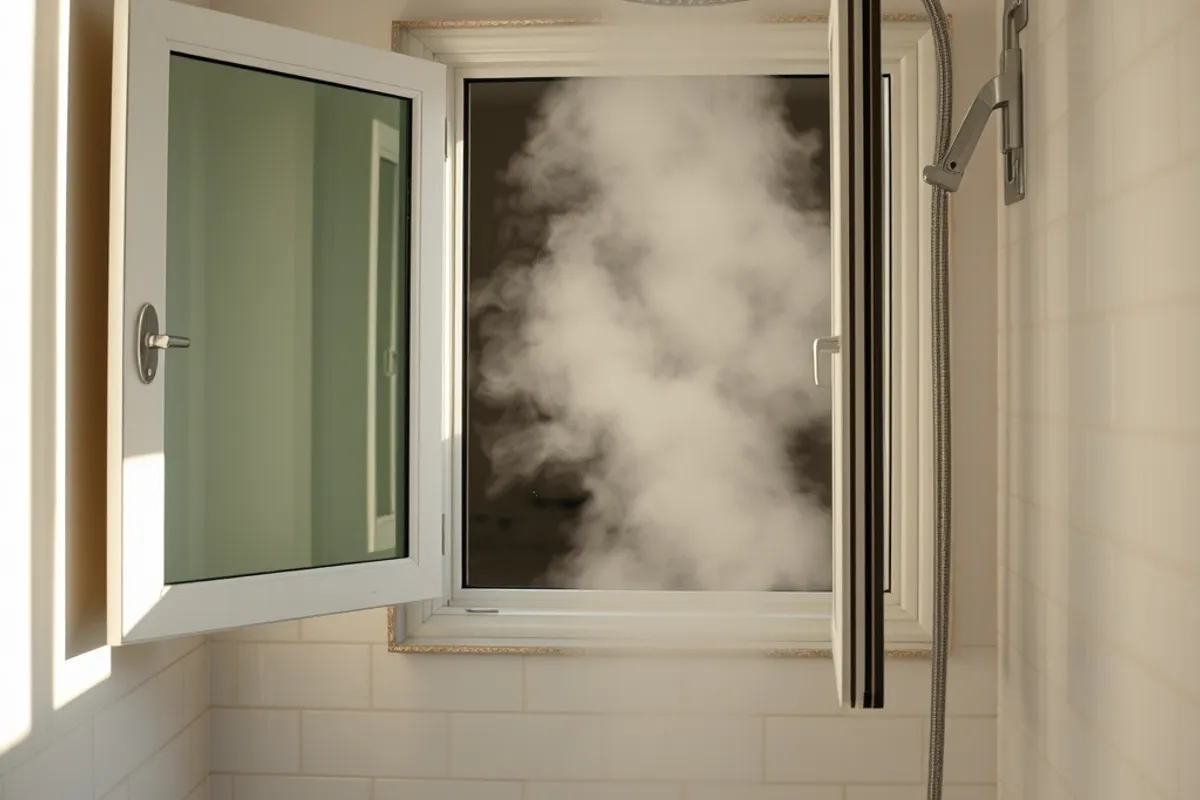
Most people start indoor air quality at the wrong end. They buy a purifier, run it in one room, and wonder why the bedroom still smells faintly of damp carpet. Air moves through a building as a system: leaks, exhaust fans, ductwork, moisture and the materials you clean with all decide what you breathe. Fix the system and the gadgets become optional.
Key facts at a glance
- Source control beats every device you can buy afterwards.
- A MERV 13 filter costs $25 to $60 and fits most modern return grilles.
- Indoor humidity should stay between 30% and 50% all year.
- A balanced ERV costs $2,500 to $4,500 installed, including ductwork.
- A standalone HEPA purifier is sized by room, not by house.
This plan is ordered by return on effort. Each step is priced from 2026 retail and contractor rates, and each one explains what it does not solve, because the honest answer is usually that one measure alone changes very little.
Step one: find the source before you filter
Walk the house with a notebook and look for the obvious. A damp crawlspace, a bathroom extractor that vents into the attic, a dryer duct disconnected behind the machine, scented candles, a garage attached through an unsealed door. These are source problems, and no filter removes the cause.
Pay particular attention to water. Damp building materials grow mould in days, and the musty smell people describe as stale air is usually microbial growth in a wall, a carpet pad or a basement joist. Fix the leak, dry the assembly, then decide whether you still need extra filtration. Buying a purifier for a wet basement is spending $400 to treat a symptom.
Step two: get filtration right, not maximal
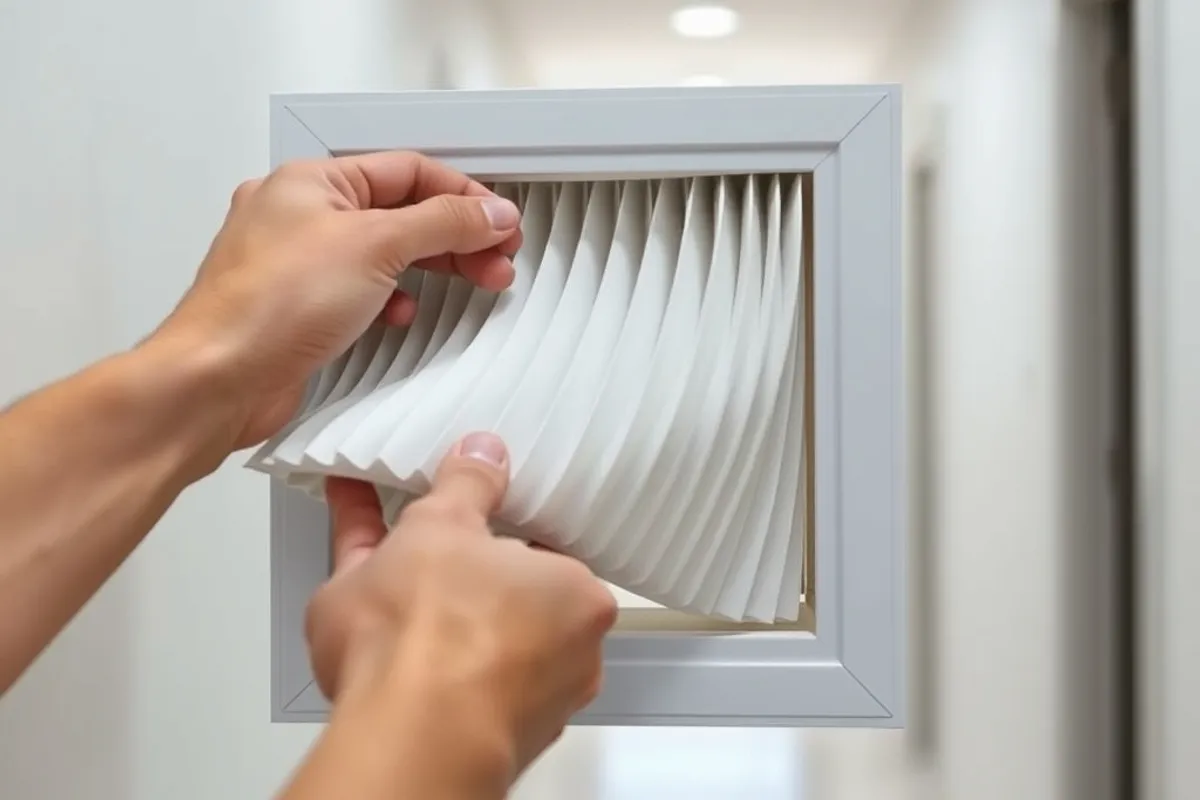
A standard filter is rated with a MERV number. MERV 8 catches pollen and dust; MERV 13 catches fine particles and most smoke, and costs $25 to $60 per filter. MERV 16 and HEPA bypass filters exist, but pushing thick media through residential ductwork can starve the blower and raise energy use.
Check the filter slot depth and the static pressure your system was designed for. If the return grille is small, a MERV 13 may noticeably reduce airflow. The practical compromise is a four-inch media cabinet, which offers more surface area and less resistance than a one-inch filter at the same rating. Change it every six to twelve months, more often during wildfire season or in a house with pets.
Step three: control moisture with numbers
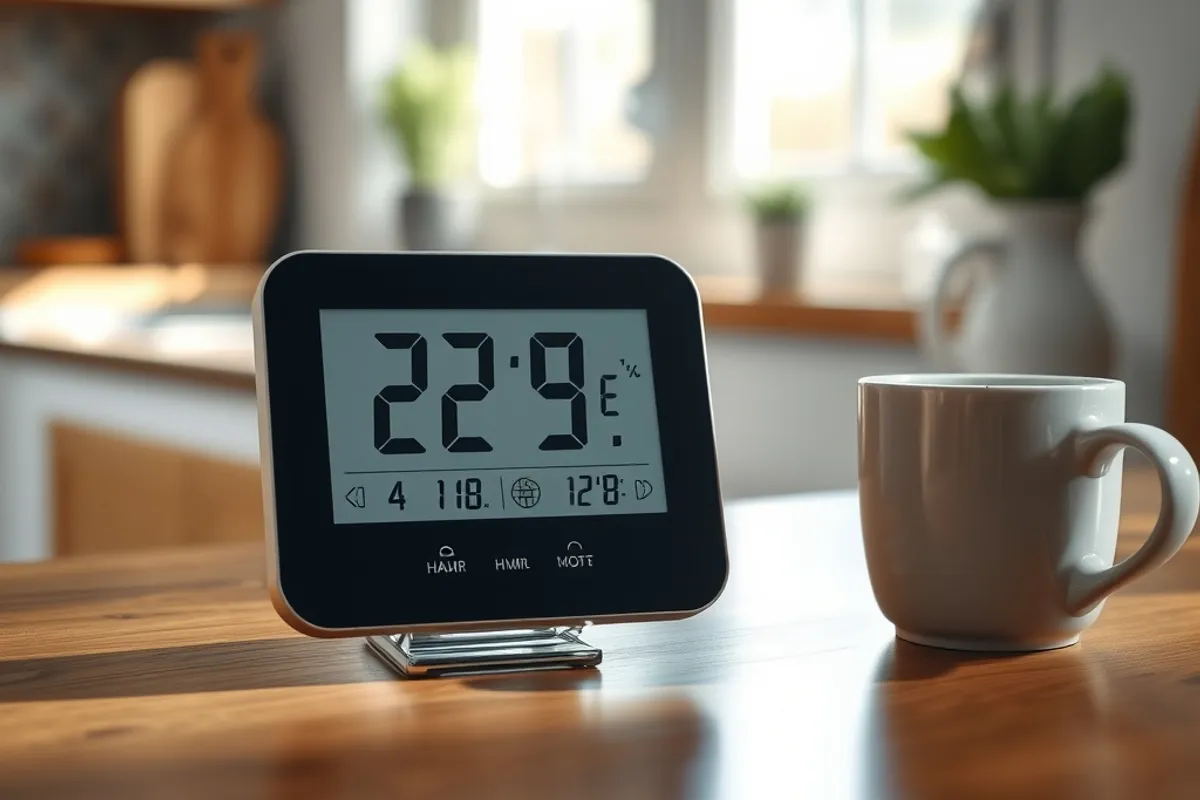
Buy a $15 hygrometer and watch it for a week. Below 30% humidity, airways and wood floors dry out. Above 50%, dust mites and mould have the conditions they need. Winter is usually dry and summer is usually wet, so the fix differs by season.
A bathroom fan rated at 110 CFM, run for twenty minutes after a shower, removes far more moisture than a window cracked open in winter. Check that the fan actually exhausts outdoors and not into the attic. In a basement, a 50-pint dehumidifier set to 45% will do more for air quality than any air purifier, and it costs roughly $8 to $15 a month to run.
Kitchen exhaust matters too. A range hood that recirculates through a charcoal filter removes odour but not the fine particles produced by frying. Ducted exhaust to the outside, sized to the cooktop, is the single best upgrade in most kitchens.
Step four: ventilate on purpose
Houses used to leak enough to ventilate themselves. New windows, spray foam and weatherstripping changed that, and a tight house can hold cooking fumes, cleaning solvents and exhaled carbon dioxide for hours. The answer is deliberate ventilation rather than accidental leakage.
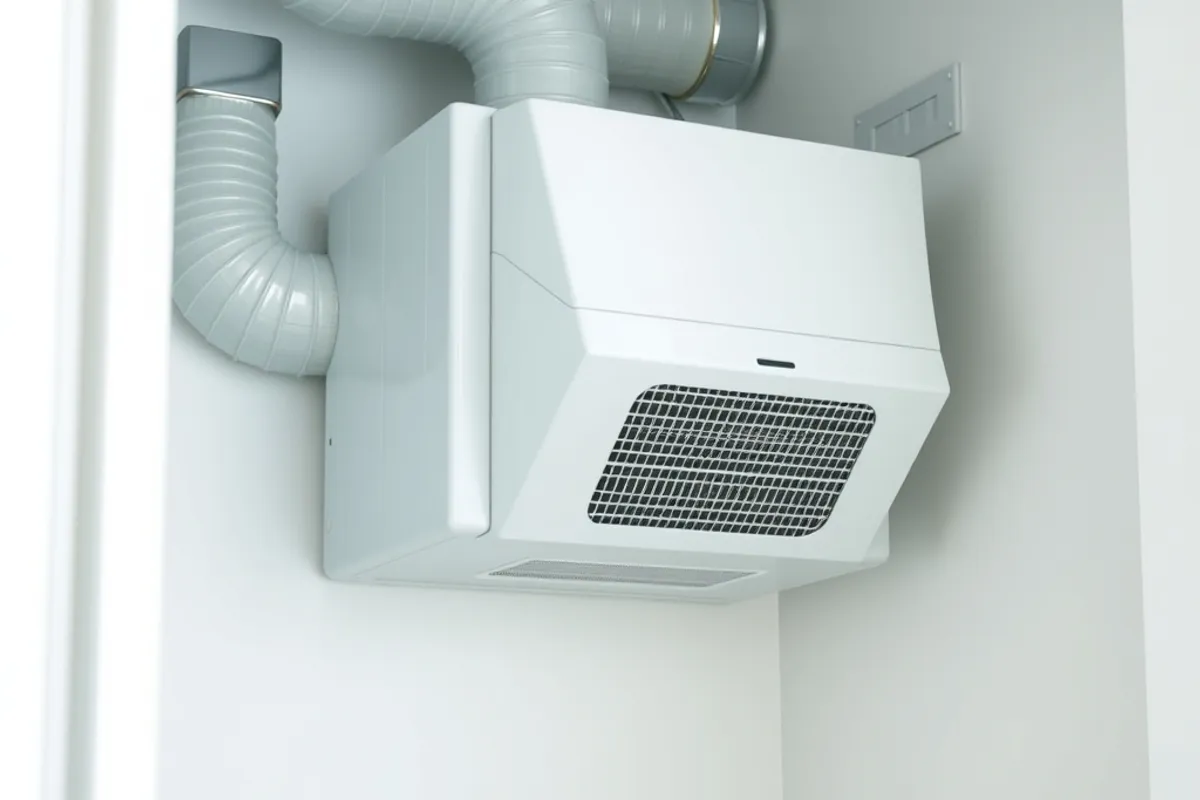
The cheapest version is a timer on the bathroom fan and a habit of opening windows for ten minutes twice a day. The robust version is a balanced system that brings fresh air in while extracting stale air, recovering most of the heat in the process. An energy recovery ventilator costs $2,500 to $4,500 installed with ductwork, or $800 to $1,800 for a single-room through-wall unit.
Whichever route you take, commission it. A ventilation system with unbalanced ducts can pull air from a crawlspace or a garage, which is worse than no system at all. Ask the installer to measure airflow at each terminal and leave the numbers with you.
Clean air is mostly a plumbing problem. Move the moisture out, bring measured fresh air in, and the filters have far less work to do.
Step five: choose a purifier for a room, not a house
Portable purifiers are useful in a bedroom or a home office, where you spend eight hours in one place. Size one by clean air delivery rate against the room volume, and keep it two feet from walls and furniture. A unit that is too small for the room will run loudly at maximum and still underperform.
For wildfire smoke, a purifier with a carbon pre-filter helps with odour, but sealing gaps and running the HVAC fan continuously is more effective. Do not run a purifier in a closed, hot room without checking that it does not push indoor temperature or humidity into a bad range.
Skip ozone generators entirely. They are marketed as shock treatment for odour and can irritate lungs, particularly in homes with children or asthma. If a contractor recommends one, ask what problem it solves that ventilation and cleaning cannot.
What this costs in a typical house
A realistic whole-house plan for a 1,800-square-foot home: $180 for a media filter cabinet and first filters, $60 for two hygrometers, $250 to $600 for bathroom and kitchen exhaust upgrades, and $900 to $1,600 for a single-room ERV. That is under $3,000 for most houses, before any purifier.
If the ducts are leaking or disconnected, add $600 to $1,500 for sealing and repair. Duct sealing often produces a bigger measured improvement than filtration, because it stops attic air and insulation fibres from entering the supply side.
The maintenance schedule that keeps it working
- Change or wash HVAC filters every 3 to 6 months, monthly during smoke events.
- Vacuum return grilles and supply registers twice a year.
- Clean bathroom fan covers quarterly and confirm the flap opens outdoors.
- Check the ERV core and filters each season, following the manufacturer schedule.
- Re-test humidity in January and July; adjust rather than guessing.
Write the dates on the filter itself with a marker. It sounds trivial, and it is the difference between a plan that runs for years and one that quietly stops after the first season. If you have a mechanical contractor already, ask them to log filter sizes and model numbers on the service sheet so replacements are never a guess.
Finally, be sceptical of any single product that promises to clean a whole house from one corner. Air quality is the sum of moisture, ventilation, filtration and the chemicals you bring indoors. Get those four right and you will notice the difference within a week, without a subscription.
For the official reference behind this guide, see epa.gov. If you are planning the next step, read our guides to Why Your Energy Bill Is High: A Room-by-Room Audit and Small Bedroom Layouts With Real Storage, Not Tricks, or browse every Home & Living guide.