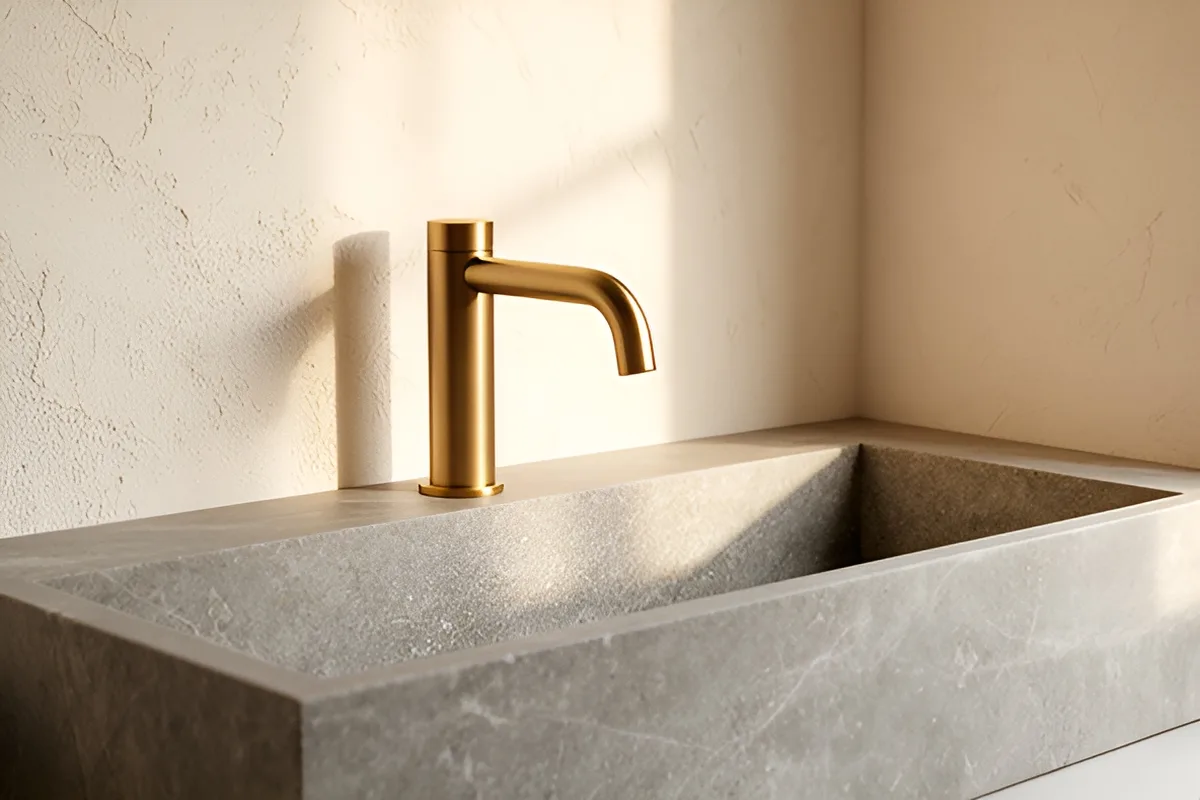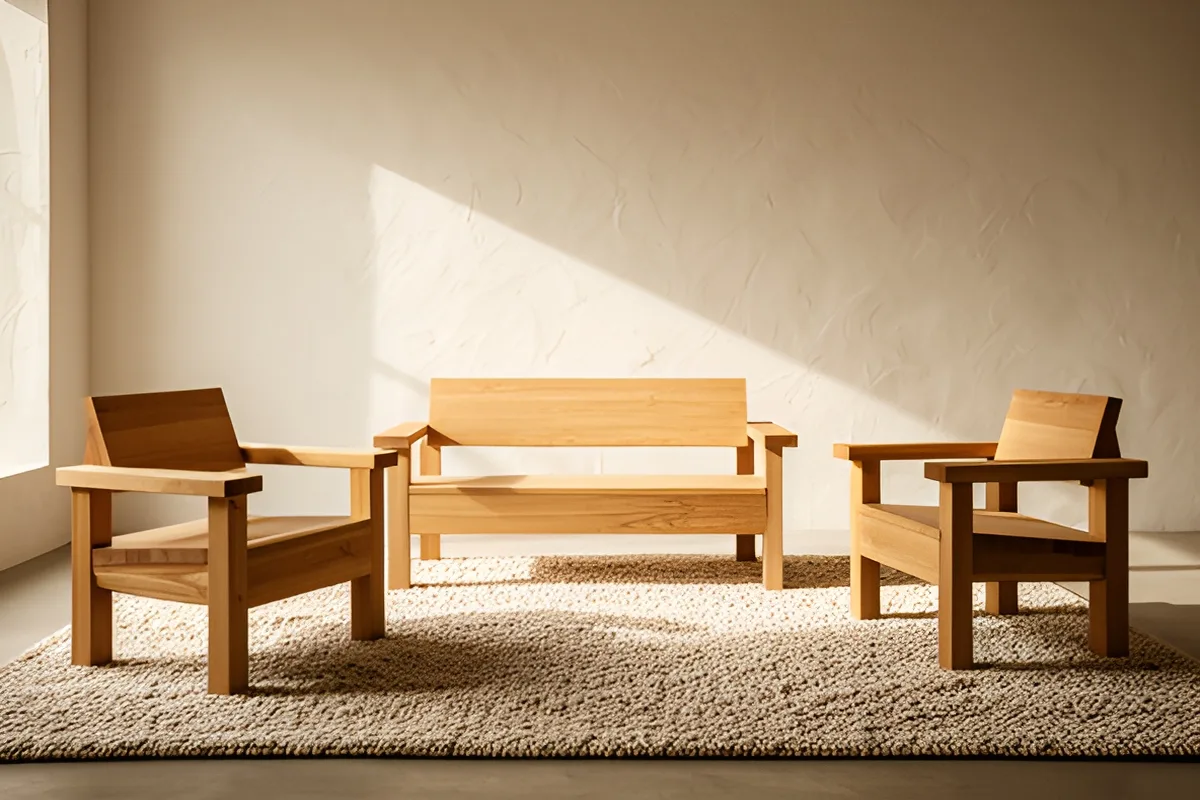
Minimalism has a reputation problem. The photographs show empty rooms in cool grey, and the reality is a space that feels like a waiting room and shows every fingerprint. Warm minimalism is a correction: fewer objects, but surfaces with texture, colour and a bit of life.
Key facts at a glance
- Lime plaster costs $35 to $90 per m² and repels mould better than paint.
- Solid oak veneer furniture costs 40% to 70% less than solid oak.
- Honed limestone needs sealing every 2 to 3 years in wet areas.
- Wool provides acoustic absorption that hard surfaces cannot.
- Warm lighting below 3000 K flatters natural materials.
The approach is not a shopping list. It is a hierarchy. Decide the three or four materials that will carry the room, then let everything else recede. Materials age; trends do not. A room built from plaster, timber, stone and wool will look better in five years than it does on day one, which is the opposite of most finishes.
Start with the walls
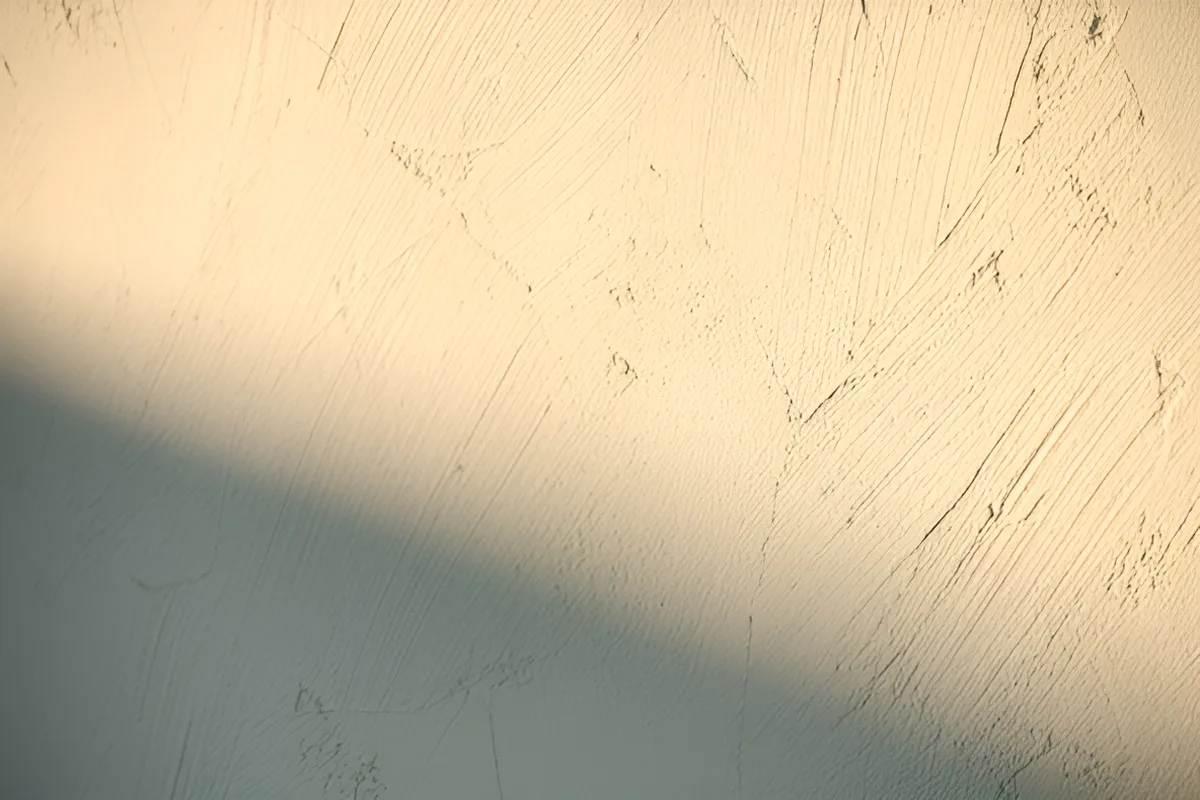
Paint is the cheapest way to change a room and the least interesting surface in it. Lime plaster costs $35 to $90 per square metre installed and gives a soft, mineral depth that flat paint cannot reproduce. It also handles moisture well, which makes it useful in older houses and bathrooms.
Clay paint is a middle option at $25 to $45 per square metre. It is breathable, low in volatile compounds, and comes in earthy tones that shift through the day. It marks more easily than emulsion, so keep a small pot for touch-ups.
If the budget does not stretch, use standard paint in a warm off-white and spend the difference on a single textured surface, such as a plastered chimney breast or a timber ceiling. One honest material beats five imitations.
Timber: choose the grain, not the colour
Oak, ash and elm are the reliable choices for floors, doors and furniture. The grain pattern matters more than the stain. A plain rift-sawn oak has a quiet, linear figure that suits minimal rooms; a crown-cut board has a dramatic cathedral pattern that can dominate.
Solid timber is expensive and moves with humidity. Engineered boards with a 3 to 4 mm veneer cost 40% to 70% less and are more stable over underfloor heating. For furniture, veneered plywood with solid edging is a sensible compromise; it looks the same from a metre away and costs a fraction of a solid slab.
Finish with hard wax oil rather than a thick lacquer. It can be repaired locally with a cloth, whereas a damaged lacquer film needs the whole surface refinished. Re-oil high-traffic areas once a year, and the floor will darken gradually rather than patch.
Stone and tile with honest edges
Limestone, travertine and slate bring colour variation that porcelain imitates but rarely matches. A honed limestone floor costs $60 to $140 per square metre supplied and installed. It is softer than porcelain, stains if unsealed, and needs re-sealing every two to three years in kitchens and bathrooms.
Use large formats to reduce grout lines, and choose a grout colour close to the stone. A contrasting grout grid makes a small room busier, which is the opposite of the intent. In wet areas, a sloped shower floor needs smaller tiles for grip, so plan the transition rather than forcing one size everywhere.
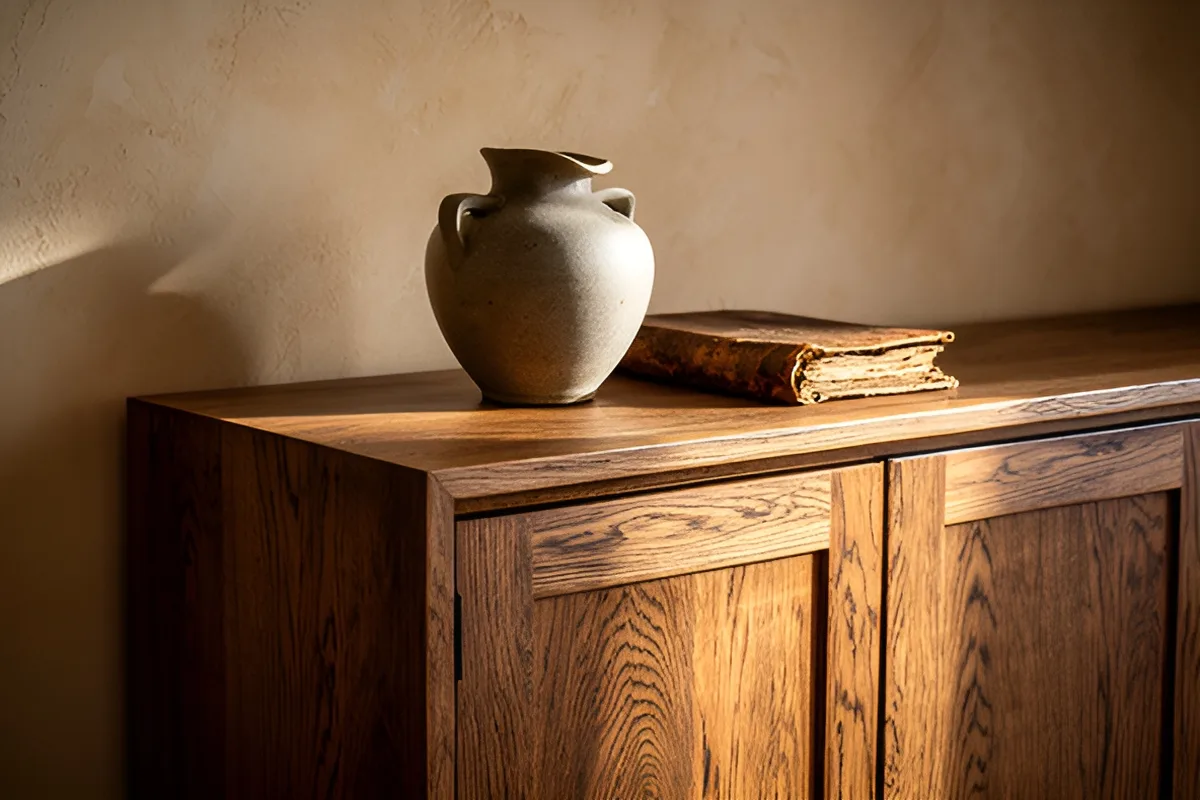
Warmth comes from texture and light, not from beige. A cool grey room with wool, oak and a 2700 K lamp feels warmer than a beige room under a white downlight.
Textiles do the acoustic work
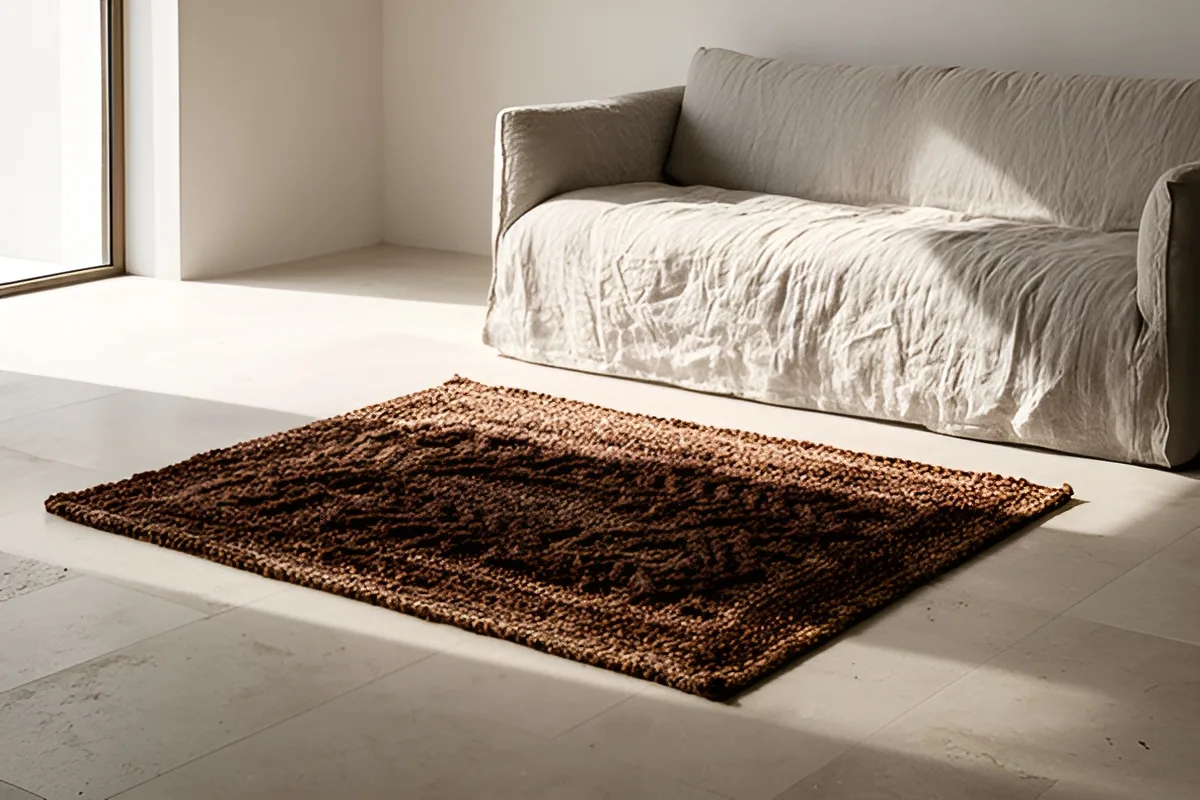
Hard surfaces reflect sound, and a minimalist room with plaster, stone and glass can be uncomfortably echoey. Wool rugs, linen curtains and upholstered seating absorb mid and high frequencies. A rug covering 60% of the floor in a living room makes a noticeable difference.
Choose natural fibres where wear allows. Wool is durable and naturally stain-resistant; linen softens with washing but creases; cotton is cheap and less resilient. For curtains, a lined wool or heavy linen hangs better and blocks draughts. Avoid synthetic velvets in sunny rooms, where they fade unevenly.
Metals in small doses
One metal family per room is enough. Brushed brass and bronze age gracefully and hide fingerprints; polished chrome shows every mark; blackened steel is graphic but can read cold. Use metal at touch points, such as handles, taps and light fittings, and keep the rest of the palette quiet.
Unlacquered brass develops a patina within months. If you want it to stay bright, choose a lacquered finish and accept that the coating will eventually wear. Neither choice is wrong, but mixing both in one kitchen looks accidental.
A material budget that holds
- Walls: $25 to $90 per m² depending on finish.
- Floor: $45 to $140 per m² for timber or stone; $25 to $60 for quality porcelain.
- Rug: $300 to $1,500 for a wool rug at 2 by 3 metres.
- Lighting: $150 to $600 per fixture, plus an electrician.
- Joinery: $800 to $3,000 per linear metre for bespoke work.
Spend the budget in that order. Surfaces you touch and see daily matter more than a designer chair. A room with good plaster, a repaired timber floor and one beautiful light will outlast a room furnished from a trend report.
Finally, buy samples and live with them for a week. Natural stone, timber and plaster all change under different light. A sample viewed at noon near a window can look entirely different on a north wall in January. That week of looking is the cheapest design decision you will make.
For the official reference behind this guide, see nkba.org. If you are planning the next step, read our guides to Small Bedroom Layouts With Real Storage, Not Tricks and Kitchen Addition Costs in 2026: What $50,000 Buys, or browse every Interior & Design guide.