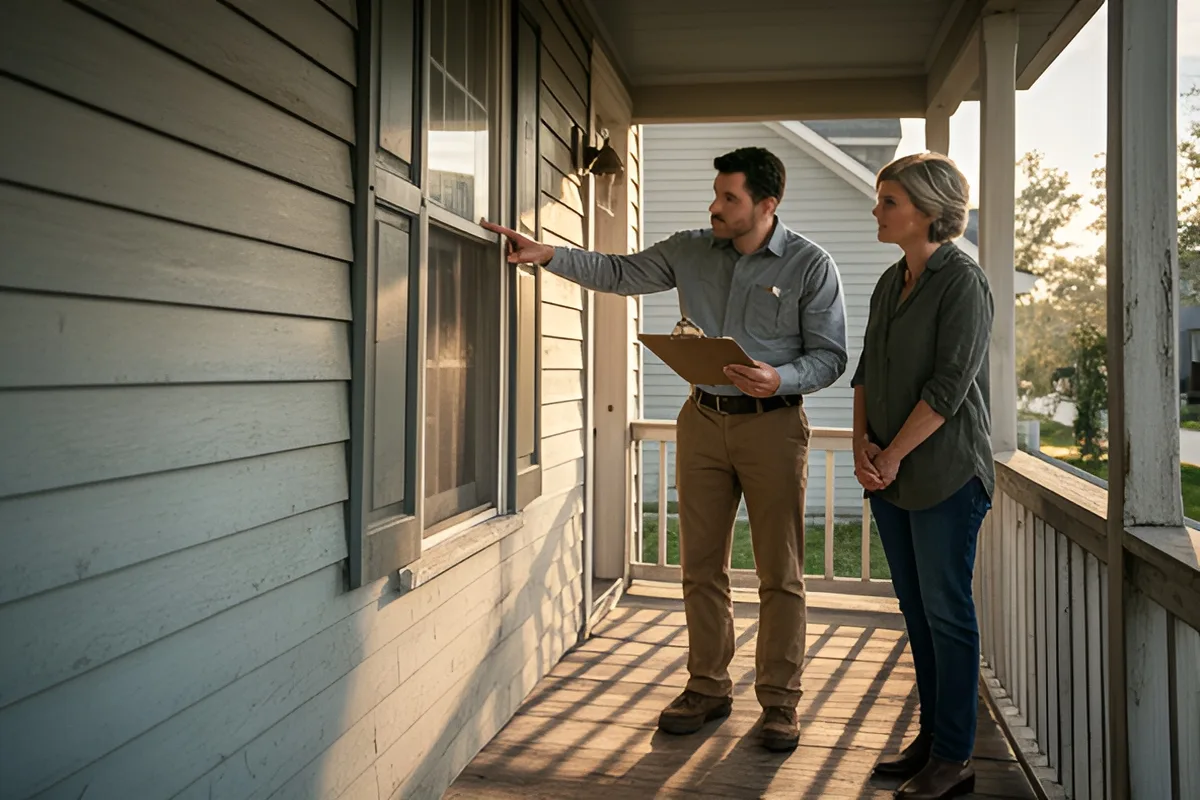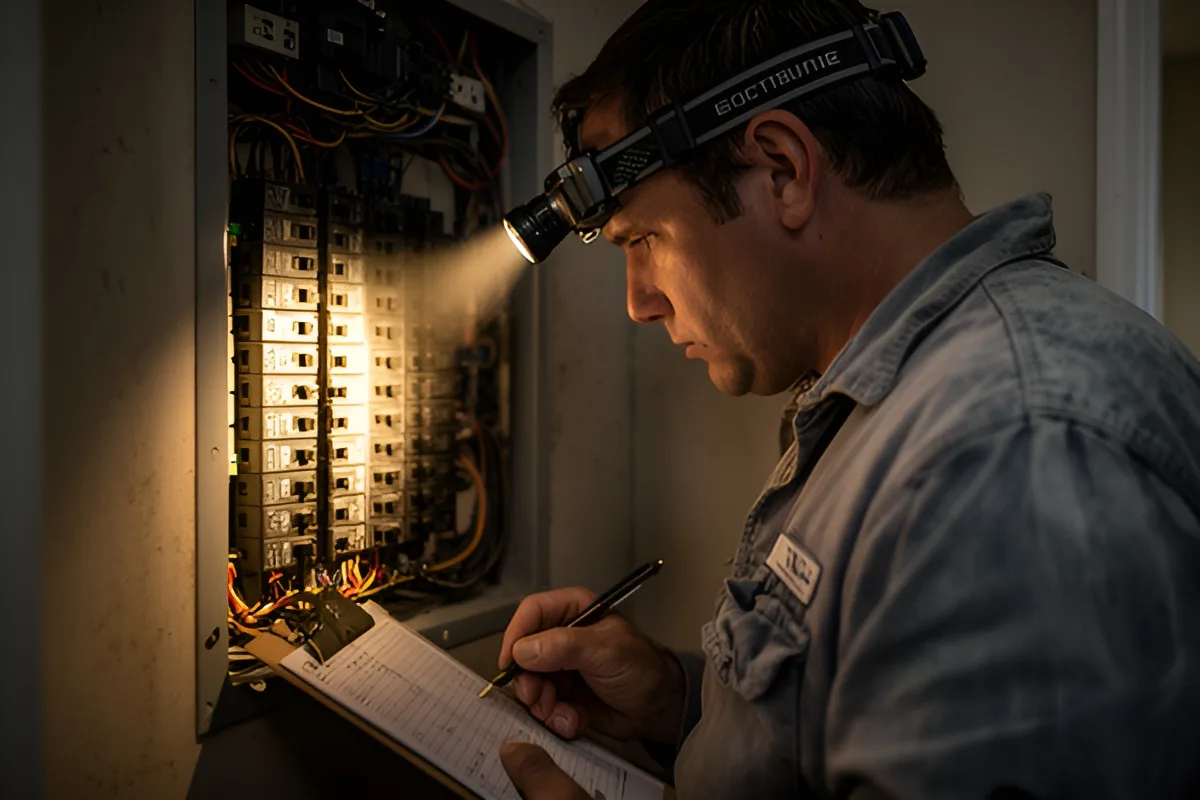
A home inspection is the cheapest insurance in a property purchase, but only if the person doing it is thorough and the report is readable. The market has both excellent inspectors and people who deliver thirty pages of boilerplate with three useful photographs.
Key facts at a glance
- A standard inspection takes 2.5 to 4 hours for an average house.
- Fees typically run $350 to $800, more for large or older homes.
- Ask for a sample report before booking; length is not quality.
- Inspectors are generalists, not structural or electrical specialists.
- Radon, sewer scope and termite checks are usually separate services.
Choosing well takes about forty minutes of research. Ask for a sample report, confirm the scope, check credentials and understand what is excluded. That preparation is worth more than a $150 saving on the fee.
Start with the standards, not the price
In the United States, inspectors are usually licensed at state level and affiliated with a professional association. Certification is not a guarantee of quality, but it does mean a minimum standard and a code of conduct. Ask for the licence number and check it with the state board rather than accepting a logo on a website.
Insurance matters too. Ask whether the inspector carries general liability and errors and omissions cover. A business that operates without it may not be around to answer for a missed defect.
Price should be your last filter. A $350 inspection on a $600,000 house is not a bargain if the report misses a failing roof or a dangerous electrical panel. Expect $350 to $800 for a typical single-family home, with larger or older properties at the upper end.
Read a sample report before you book
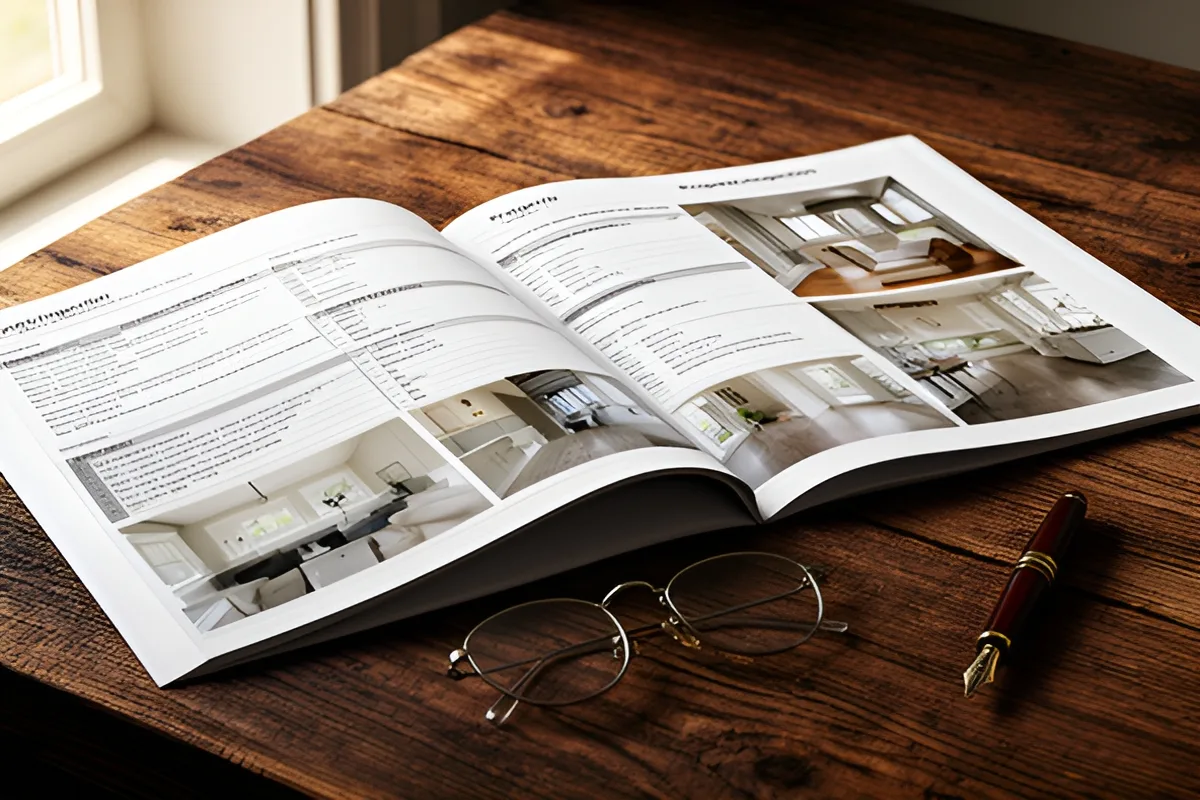
Ask for a redacted sample from a similar property. A useful report has clear photographs with arrows or circles, a short description of each defect, an indication of severity and a recommendation. It separates safety issues from maintenance items and cosmetic notes.
Beware of reports that are long because of software. Some platforms generate dozens of pages of disclaimers and generic advice. Count the number of property-specific observations and look at the photographs. If the report could describe any house, it is not doing its job.
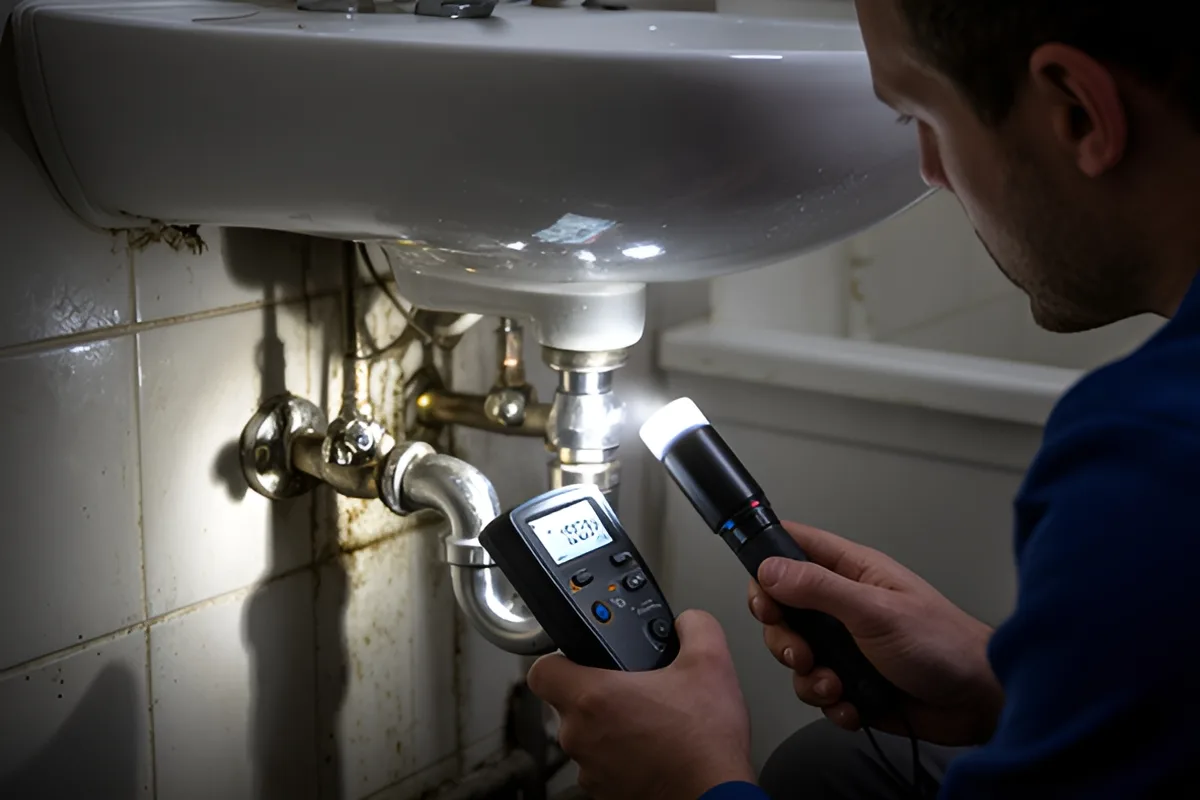
Check whether the inspector uses thermal imaging, moisture meters and a drone or pole camera for the roof. These are not essential for every house, but they indicate a methodical approach and reduce the number of defects that go unseen.
What a standard inspection covers
The typical scope includes the roof and visible flashings, exterior walls and grading, foundation and crawlspace, attics and insulation, plumbing supply and drainage, electrical service and panels, heating and cooling equipment, windows and doors, and built-in appliances. The inspector tests what can be tested without dismantling anything.
It does not include inside walls, under floors, behind stored items, septic systems, wells, pools, radon, asbestos, mould or pests. Those require separate specialists. A good inspector will flag when one is needed, but they will not perform the specialist work themselves.
An inspection is not a warranty. It is a snapshot of what is visible on one day, which is exactly why you should be there for it.
Attend the inspection if you can
Two hours on site with the inspector teaches you more about the house than any report. You will see how the heating system is maintained, where the water shut-off is, which noises are normal and which are not. Ask questions as you go, but let the inspector work without constant interruption.
Bring a notebook and a phone. Photograph the water main, the electrical panel and the furnace model plate. Those three pictures save time for years. If you cannot attend, ask for a short video walkthrough or a phone call after the inspection, not just the PDF.
Questions that reveal competence
- How many inspections do you do in a week?
- What is excluded from your standard scope?
- How do you report a defect you cannot fully assess?
- Do you carry errors and omissions insurance?
- Will you walk me through the report by phone?
- How quickly can you deliver the written report?
Listen for nuance. Good inspectors use language like "not visible" and "recommend further evaluation". Beware of anyone who states with certainty that a hidden defect is fine, or who offers to do the repair themselves. That is a conflict of interest.
Order the add-ons that fit the house
Radon testing costs $150 to $250 and matters in many regions, especially with a basement. A sewer scope costs $150 to $300 and can reveal a collapsed line that would cost five figures to replace. Termite and pest inspections are often required by lenders in some states. A separate structural engineer is warranted if the general inspection finds movement.
Do not order every add-on by default. Match them to the property: a 1950s house with a basement needs radon and sewer; a rural property needs well and septic testing; a coastal property may need a wind mitigation inspection. Ask the inspector which ones they would order if they were buying the house.
After the report arrives
Read it the same day and group findings into three buckets: safety, immediate repair and maintenance. Use the safety and immediate items in your negotiation, and keep the maintenance list as a plan for the first year. Sending a seller a 90-item list rarely works; a short list of significant defects is more credible.
If a finding is vague, call the inspector and ask for a clearer explanation. A good one will talk you through the photograph and explain what would need to happen to confirm the issue. That conversation is part of what you paid for, and it is where the real value sits.
Finally, keep the report. When you sell, a documented inspection history shows a buyer that the house has been maintained and that you dealt with problems openly. It is also a useful checklist for the annual maintenance you will now be responsible for.
For the official reference behind this guide, see usa.gov. If you are planning the next step, read our guides to Buying a House With Foundation Problems: What to Check and HVAC Maintenance Contracts: When They Pay Off, or browse every Home Services guide.