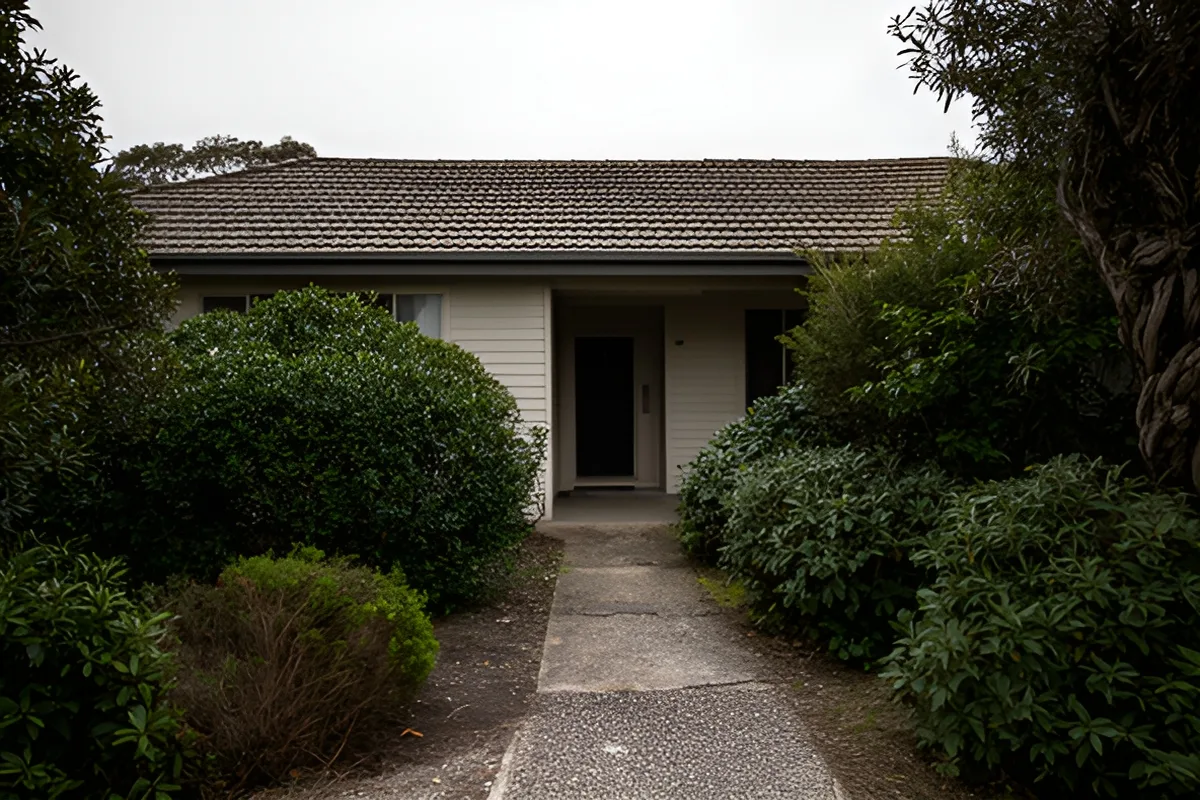
Every older house has cracks. Most are cosmetic, caused by concrete curing, thermal movement or a little settlement in the first years after construction. A few are the visible edge of a structural problem that can cost more than the deposit. The skill is telling them apart before you remove your inspection contingency, not after.
Key facts at a glance
- Hairline cracks under 2 mm are usually shrinkage, not failure.
- A structural engineer inspection costs $400 to $900 and is worth more than a contractor quote.
- Pier and anchor systems typically run $1,200 to $3,500 per pier.
- Horizontal cracks in a foundation wall are the most serious pattern.
- Sellers are rarely required to disclose repaired movement.
This guide covers what to look at on a viewing, which specialist to hire, how repair pricing works and the negotiation positions that actually hold up. It is general information, not a structural opinion on a specific house. That opinion has to come from an engineer who has stood in the basement.
Read the crack, not the paint
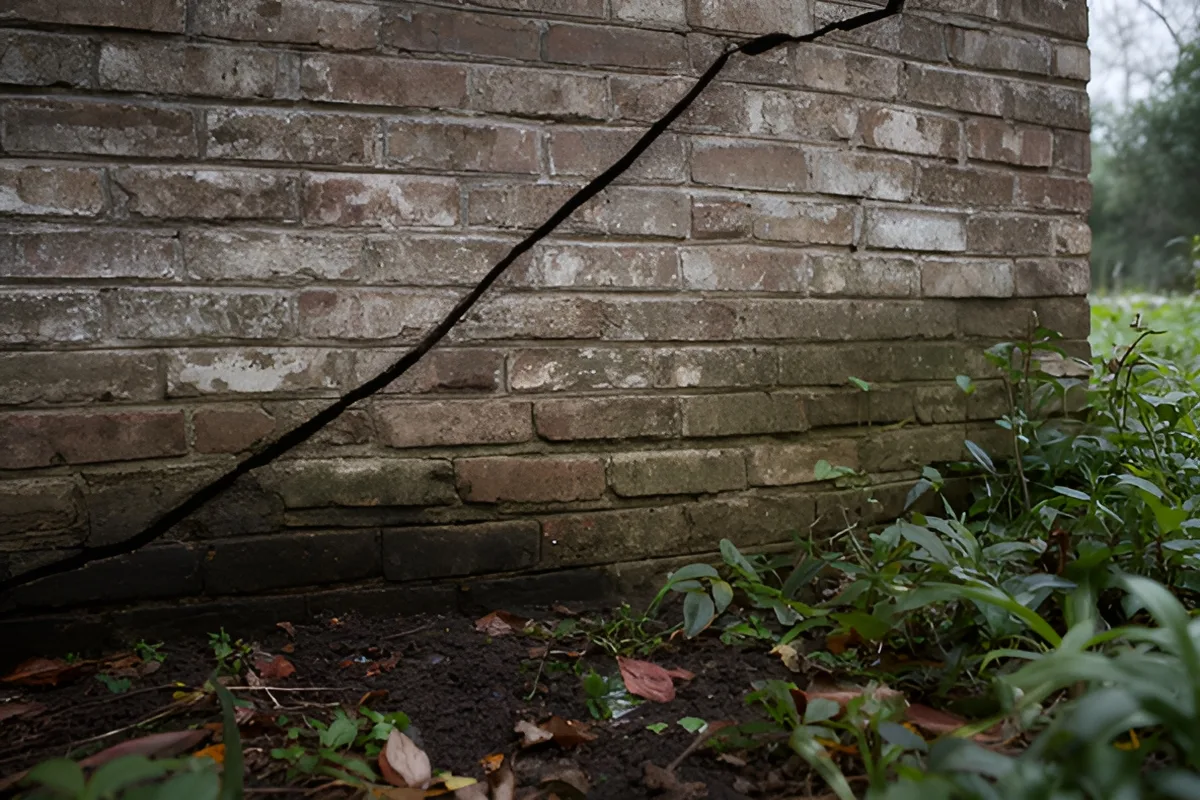
Look at direction, width and location together. Diagonal cracks that step along mortar joints, wider at one end, suggest movement. Vertical cracks near the middle of a long wall are often shrinkage. Horizontal cracks in a foundation wall, especially with bulging, point to soil pressure and are the pattern that deserves urgent attention.
Width matters. A crack under 2 mm that has not changed in years is usually benign. A crack you can fit a coin into, or one that has been filled and reopened, is a different conversation. Take a photo with a ruler against the wall, and note whether the crack continues through the interior finishes.
Check the floors above. A slope of more than 1 cm over 3 metres, a door that sticks only in summer, or a gap under a skirting board all describe movement that has affected the frame. None of these is automatically fatal, but together they change the scope of what you are buying.
Look at water before structure
Most foundation damage starts with water. Check the roof gutters, the grading around the house, the downspout outlets and the sump pump. Water pooling against a wall for years will find the footing. If the basement smells damp or has efflorescence, a white mineral bloom on the concrete, assume moisture has been present for a long time.
Look at the soil line outside. Fresh fill, a raised patio or a driveway sloping toward the house all push water the wrong way. A $300 regrade and new downspout extensions can prevent a $20,000 repair, but only if the structure has not already moved.
The inspections to order, and in what order
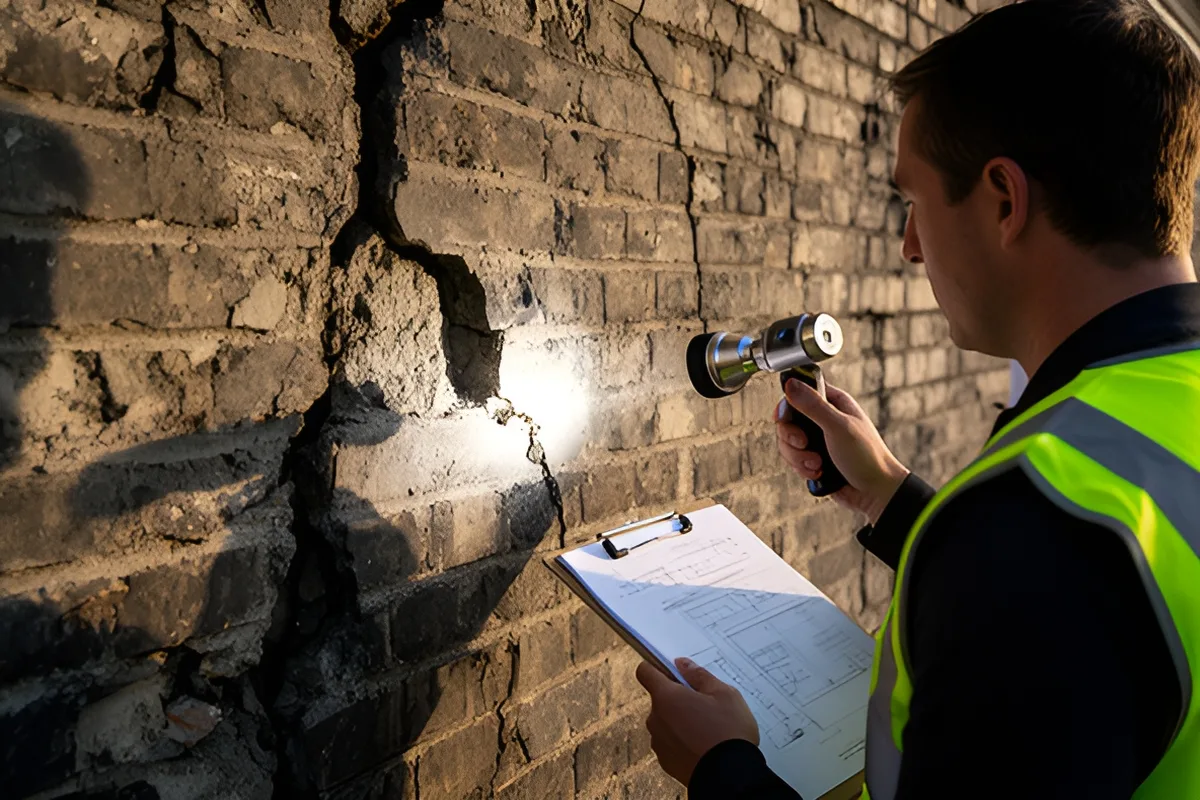
A standard home inspection is a general survey. It is not a structural assessment, and most inspectors will recommend a specialist when they see movement. Book the specialist directly rather than asking the general inspector to guess.
A structural engineer charges $400 to $900 for a visual assessment and a short letter report. A geotechnical report, which involves soil boring, costs $2,000 to $5,000 and is rarely needed for a single-family purchase unless the site is unusual. Order the engineer first; they will tell you if soil testing is warranted.
Ask for a report that states the cause, the severity, the repair options and a cost range. A report that only says "monitor" is useful, but only if it explains what monitoring means and what would change the conclusion.
A contractor's quote tells you what they want to sell. An engineer's report tells you what the house is doing. Buy the second one before you negotiate.
What repairs really cost
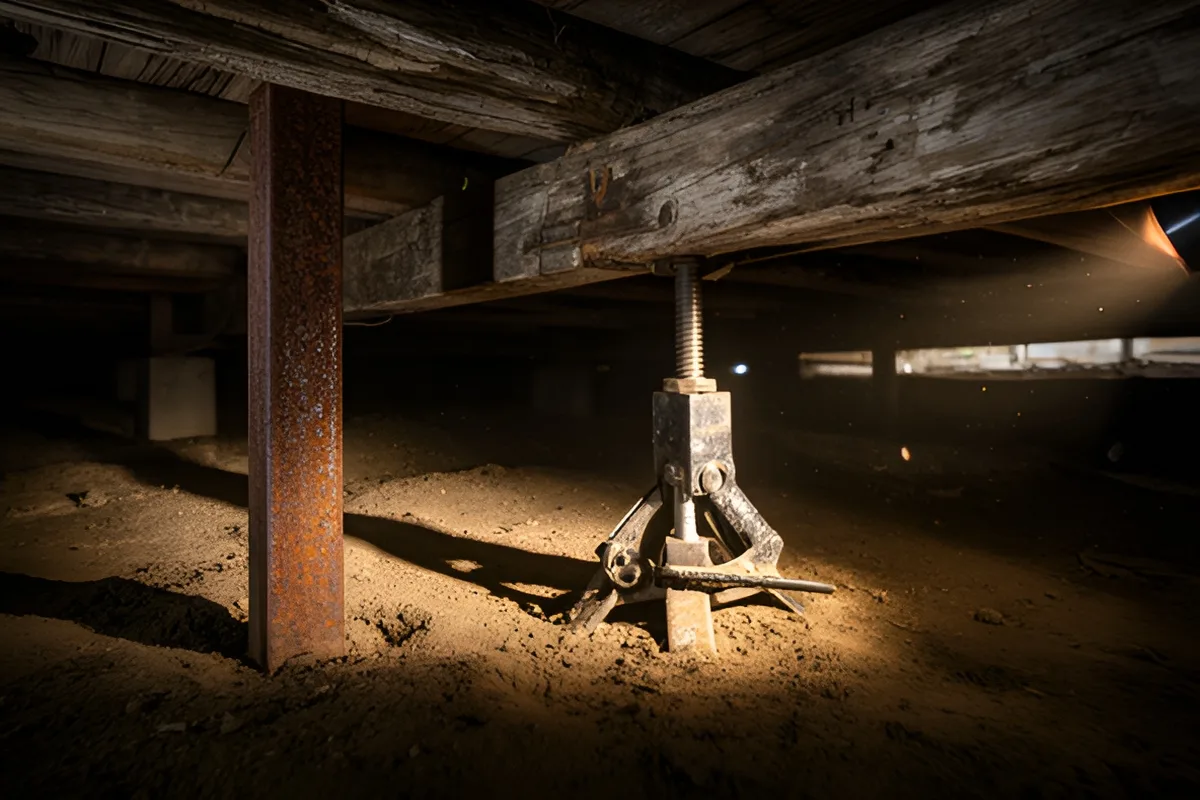
Underpinning with helical or resistance piers typically runs $1,200 to $3,500 per pier, and a typical house needs six to twelve. Wall anchors for a bowing wall cost $800 to $1,500 each. Crack injection is $500 to $1,500 and only addresses water, not movement. A full foundation replacement is a different category, often $40,000 to $100,000 depending on access.
Be careful with quotes that promise a lifetime warranty. Read who backs the warranty, whether it transfers to a new owner and what maintenance voids it. A warranty from a company that may not exist in ten years is worth less than a documented repair with photos and engineer sign-off.
How to negotiate with evidence
Once you have a report, you have three options. Ask the seller to complete the repair before closing, with engineer sign-off and a holdback. Ask for a credit at closing in the amount of a mid-range quote. Or reduce your offer and take the risk knowingly. The third option is legitimate only if you have the cash reserve and the appetite.
Sellers often prefer a credit to doing the work, because it closes faster. Lenders may cap credits at a percentage of the purchase price, so check with your loan officer before you agree. Get the credit written into the contract, not promised in an email.
Red flags that justify walking away
- Horizontal cracks with visible bowing in a retaining or foundation wall.
- Active movement that has reopened a repair within a few years.
- A crawlspace with standing water, rotten joists and failing piers together.
- Any repair done without permits, photos or engineering documentation.
- A seller who refuses access for a specialist inspection.
Walking away costs you the inspection fee. Buying the wrong house can cost five figures and a year of disruption. That asymmetry is the whole argument for spending $900 early.

If you buy anyway
Some buyers deliberately purchase a house with known movement because the price reflects it and the repair is well understood. If that is your plan, get three contractor quotes on the same engineer's scope, keep a 20% contingency, and do not finish the basement or add heavy landscaping until the repair has been monitored for a full wet season.
Document everything: engineer report, permits, contractor invoices, photos at each stage. That folder protects the resale value and answers the buyer's inspector in ten years. Foundation work is not glamorous, but a documented repair is far easier to sell than an unexplained crack.
Finally, ask your insurer whether the policy excludes earth movement. Most do, which means the risk sits with you. Knowing that before closing is the difference between a calculated purchase and an unpleasant surprise.
For the official reference behind this guide, see hud.gov. If you are planning the next step, read our guides to How to Choose a Home Inspection Service Worth Paying For and Renovation Permits: The Timeline Nobody Budgets For, or browse every Property & Real Estate guide.