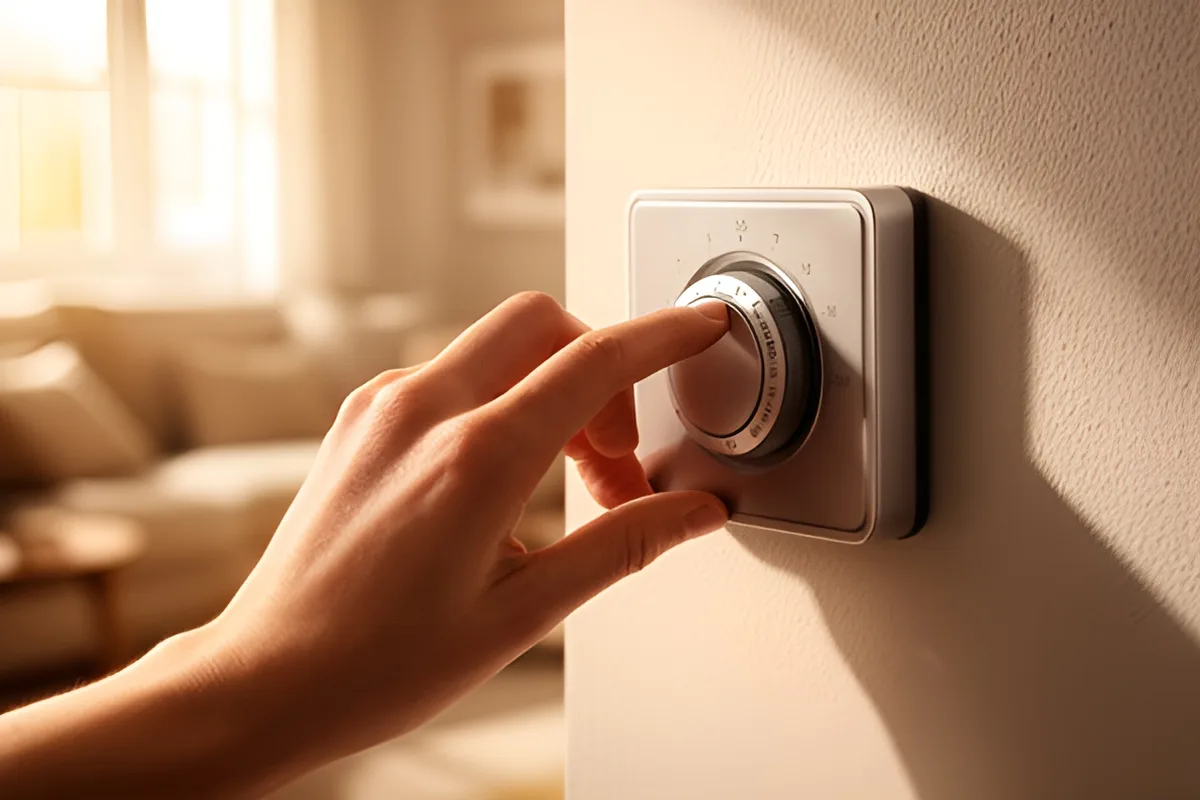
An HVAC maintenance contract sounds like insurance. It is closer to a subscription: two scheduled visits, a filter change, a coil clean and priority booking when something breaks. Whether that is good value depends on the equipment, the climate and what the contract excludes.
Key facts at a glance
- Typical plans cost $150 to $450 a year for two visits.
- A heat pump should be serviced twice a year, in spring and autumn.
- Filter changes are the highest-value part of most visits.
- Many plans exclude parts, refrigerant and diagnostic fees.
- Manufacturer warranties often require documented annual service.
This guide explains what a fair plan includes, what it costs in 2026, and the situations where paying per visit is the better deal. It also covers the one maintenance task that matters most, which you can do yourself in five minutes.
What a fair contract includes
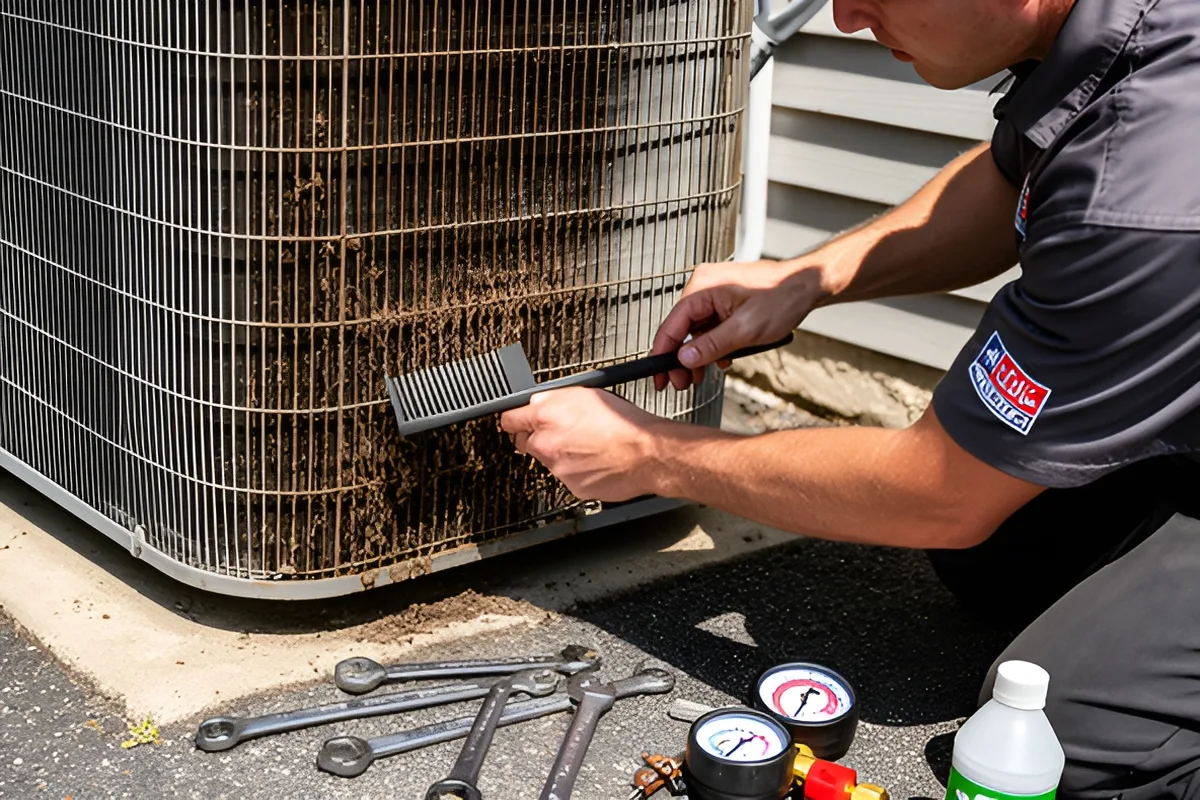
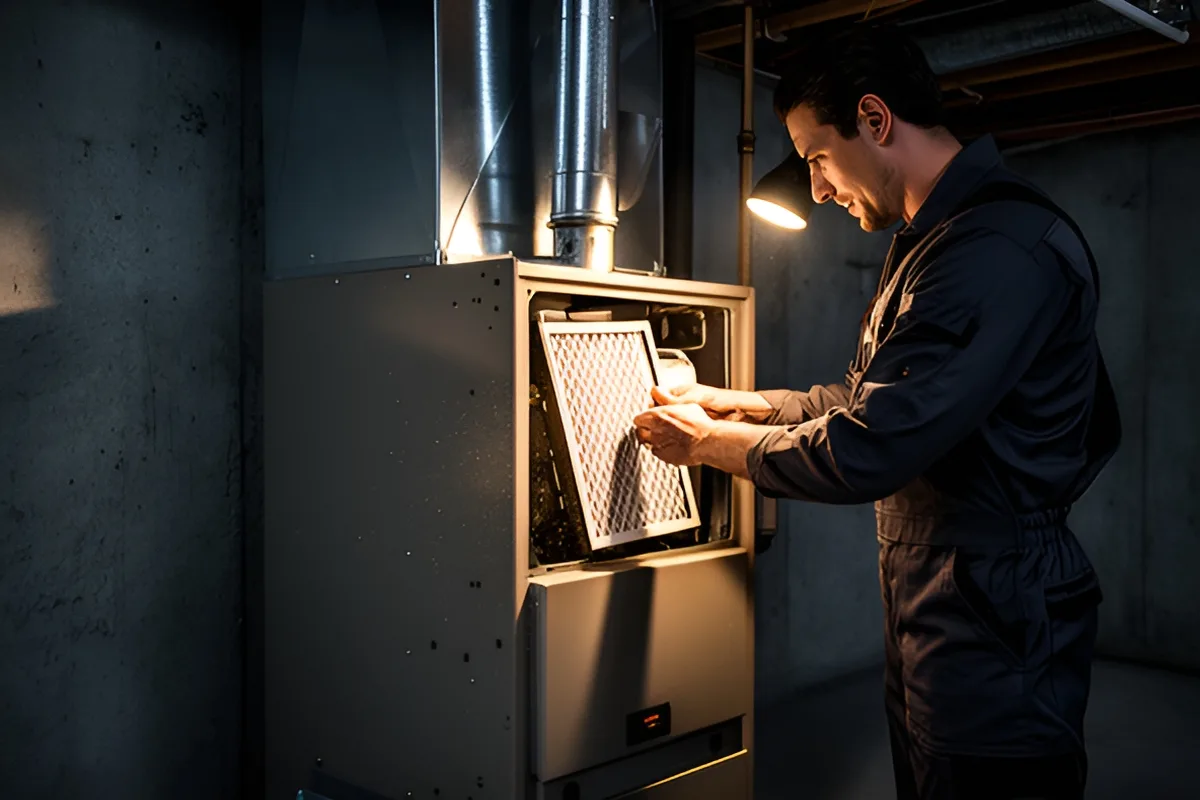
A standard residential plan covers two visits a year, one for cooling and one for heating. Each visit should include a filter check and replacement if needed, coil cleaning where accessible, condensate drain clearing, refrigerant pressure check, electrical connection tightening, and a combustion safety test on gas equipment.
Ask for the checklist in writing. A plan that promises "a thorough tune-up" without specifics is hard to enforce. The best contracts list the tasks and state the expected duration, usually 45 to 90 minutes per system.
Priority booking is the other real benefit. In a heatwave, a plan customer may be seen in two days while others wait a week. If you have young children or a medical need for reliable cooling, that alone can justify the fee.

What it usually excludes
Parts, refrigerant, diagnostic fees and labour beyond the scheduled visit are commonly excluded. That means a failed capacitor, a leaking coil or a low refrigerant charge becomes a separate bill. Refrigerant in particular has become expensive as older blends are phased down.
Some contracts include a discount on repairs, typically 10% to 15%. Others cap the labour covered at the visit. Read the terms and ask what a typical repair would cost under the plan versus without it.
Watch for auto-renewal clauses and cancellation windows. A plan that renews automatically with a 30-day cancellation notice is fine if you know, frustrating if you do not. Put the renewal date in your calendar when you sign.
When a contract is worth it
It is usually worth it for a heat pump, a system under manufacturer warranty, or equipment over eight years old. Heat pumps have more components and benefit from seasonal checks; warranties often require documented annual service, and a missing record can void a claim on a compressor.
It is also worth it if you are not comfortable cleaning coils and checking drains yourself, or if the contractor is responsive and local. The value is not only the visit, it is the relationship and the paper trail.
No maintenance plan can rescue a badly installed system. Commissioning matters more than the annual tune-up, and it happens once.
When paying per visit is better
For a simple gas furnace in a mild climate, an annual service at $120 to $180 may be all you need. If you are comfortable changing filters and keeping the outdoor unit clear, a plan adds little beyond priority booking.
For a window unit, a ductless mini-split in a single room, or a system you are about to replace, a contract is rarely worth it. Put the money toward the replacement instead.
If you have a good independent technician who answers the phone, ask whether they offer a pay-as-you-go reminder. Many do, and it gives you the benefit of scheduled service without the subscription.
The maintenance you can do yourself
- Change or clean the filter every one to three months.
- Keep two feet of clearance around the outdoor unit.
- Hose the outdoor coil gently once a year, with power off.
- Pour a cup of water in the condensate drain pan monthly to check flow.
- Keep supply and return vents unobstructed by furniture or rugs.
These five habits prevent a large share of service calls. A blocked filter strains the blower; a blocked drain floods the ceiling; a choked outdoor coil raises running costs. None requires a technician.

How to compare two contracts
Put the offers side by side on four lines: number and length of visits, tasks included, exclusions, and repair pricing. Then add the emergency response time. A cheap plan with a five-day response in summer is not the same product as one with same-day service.
Ask whether the technicians are employees or subcontractors, and whether they are licensed for refrigerant handling. Ask for the last two years of price increases. A plan that starts at $199 and rises 20% a year is not a long-term saving.
A sensible decision rule
If the system is a heat pump or under warranty, take the plan and keep the service records. If it is an older furnace with no warranty and a local technician you trust, pay per visit and set a reminder. If the system is near the end of its life, skip the plan and start saving for replacement.
Whatever you choose, keep a folder with the model numbers, installation date, service dates and invoices. When a warranty claim or a sale inspection arrives, that folder is worth more than any discount the plan offered.
For the official reference behind this guide, see energy.gov. If you are planning the next step, read our guides to Why Your Energy Bill Is High: A Room-by-Room Audit and How to Choose a Home Inspection Service Worth Paying For, or browse every Home Services guide.