
A high bill is rarely one dramatic fault. It is usually four or five ordinary things running at once: a water heater set too high, a fridge with a failing seal, a spare room heated to the same temperature as the living room, and a dryer doing two loads a day. None of them look like a problem on their own, which is why the bill feels inexplicable.
Key facts at a glance
- Heating and cooling usually account for about half of a home energy bill.
- Water heating is typically the second largest load at 15% to 20%.
- A plug-in power meter costs $20 to $35 and settles most arguments.
- Standby power can add 5% to 10% to a bill in a device-heavy home.
- Air sealing and insulation beat a new furnace on cost per unit saved.
The audit below takes a weekend and costs almost nothing. It separates base load from heating load, then walks each room to find the specific causes. Do this before calling a contractor; you will ask better questions and avoid buying equipment you do not need.
Read the meter like an engineer
Start with two readings: one at bedtime, one before breakfast, with nothing running overnight. That overnight number is your base load. A typical house with a fridge, router and a few chargers draws 0.2 to 0.5 kWh per hour. If yours is above 1 kWh per hour, something is running that should not be.
Next, take a reading before and after a single appliance cycle. A dryer cycle, an oven clean, a hot shower with the water heater recovering. The difference tells you what that appliance actually costs per use. Multiply by how often you really use it, not how often you think you do.
The rooms that usually hide the cost
The kitchen. An older fridge can use 1,500 kWh a year, three times a modern unit. Check the door seal with a sheet of paper: if it slides out easily, the gasket is failing. A chest freezer in a hot garage is another quiet offender, sometimes adding $15 to $25 a month.
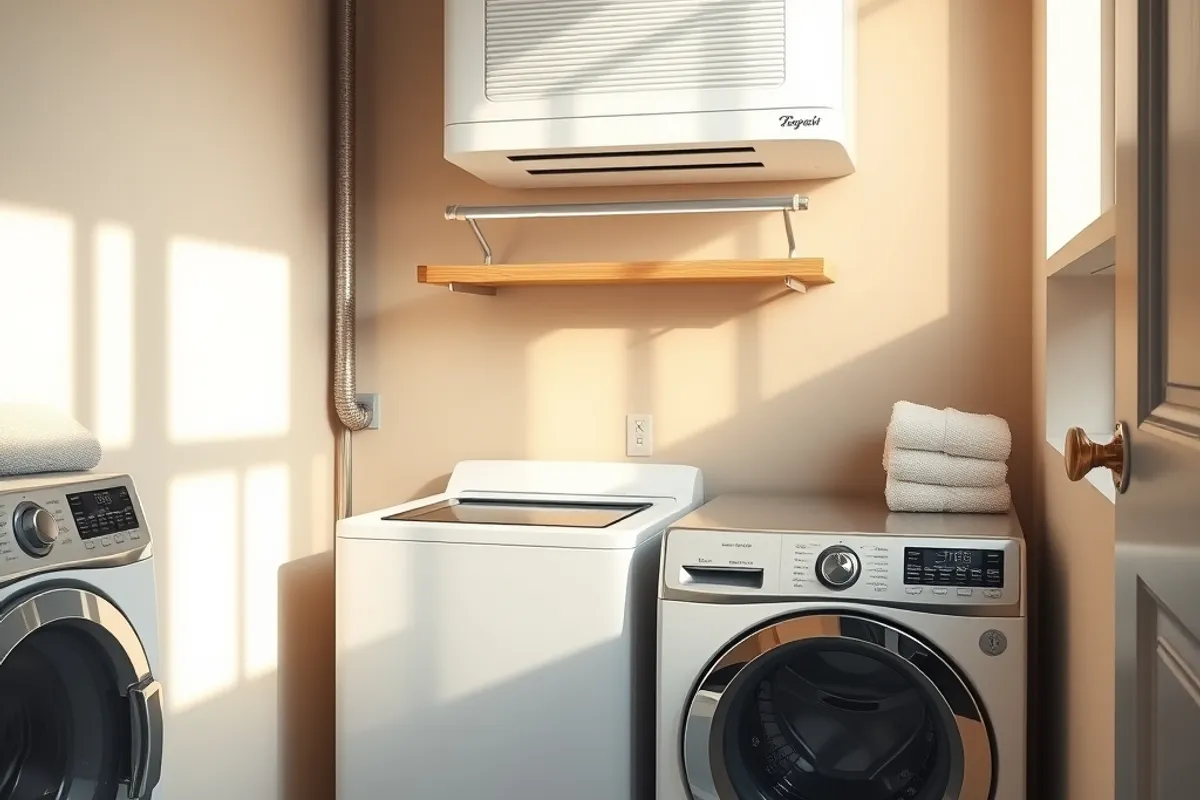
The laundry room. Drying clothes is one of the most energy-intensive household tasks. A heat pump dryer costs more upfront but uses roughly half the electricity. Washing on cold and hanging half the loads will cut more than any setting change on the machine.
The bathroom. A 10-minute shower at 2.5 gallons per minute uses 25 gallons of hot water. Multiply that across a family and water heating becomes obvious. Low-flow heads, a pipe insulation sleeve on the first three metres, and a timer on the heater all help.
The spare room. Heating an unused room to full temperature for a season can cost several hundred dollars. Close the door, lower the radiator or close the vent, and keep the room above 12°C to avoid damp.
Find the draughts that matter
On a windy day, hold a damp hand or a smoking incense stick near the obvious joints: window frames, exterior door thresholds, the point where the wall meets the floor, pipe penetrations under sinks, and the attic hatch. Note where the smoke wavers.
Prioritise the big openings. A letterbox flap, a cat flap, an unsealed loft hatch and a chimney with an open damper move far more air than a hairline crack. A chimney balloon costs $40 and pays for itself in a month in a house with an unused fireplace.

A bill is a story about air and water. Find where the warm air leaves and where the hot water goes, and the plot usually resolves in one afternoon.
Separate heating load from everything else
Compare a mild week with a cold week using daily meter readings. If your usage jumps sharply as the temperature drops, the heating system is the story. If the base load stays stubbornly high in both weeks, look at appliances and hot water instead.
This distinction decides where money should go. A house with a huge heating swing needs insulation and air sealing. A house with a flat, high base load needs appliance replacement and behaviour changes. Replacing a boiler in the second house would be a waste.
Lighting and the small loads
LED replacements are cheap and uncontroversial, but lighting is usually under 5% of a bill. The bigger surprise is standby power: televisions, games consoles, set-top boxes and chargers drawing a few watts all day. A smart strip that cuts power to the entertainment unit when idle costs $25 and removes the waste without daily effort.
Look at outdoor lighting and heated items too. Block heaters, towel rails, pond pumps and driveway heat mats can rival a fridge in annual cost and are easy to forget because they run out of sight.
What to fix first, in order
- Lower the water heater to 49°C and insulate the first metre of pipe.
- Seal the attic hatch, letterbox, chimney and obvious pipe penetrations.
- Replace failing fridge and freezer seals; move secondary fridges out of hot garages.
- Switch to cold washes and hang-dry at least half the laundry.
- Add loft insulation only after air sealing, never before.
- Then consider a heat pump or new boiler, sized on a real load calculation.
Keep a simple log of the before and after readings. It takes two minutes a week, and it turns a vague feeling about bills into evidence you can use when a contractor quotes for work. If the numbers do not move after a fix, you have learned something useful too.
When to bring in an auditor
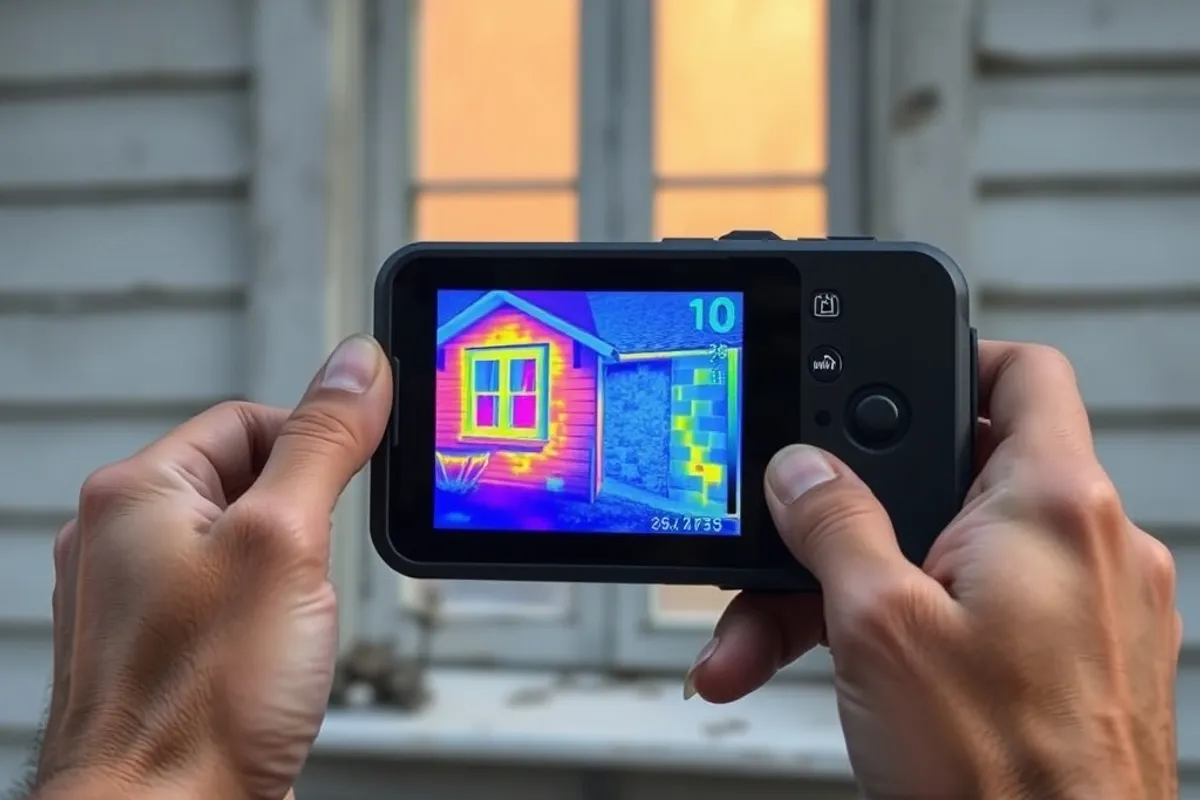
A professional energy audit costs $250 to $600 and includes a blower door test, thermal imaging and a written report. It is worth paying for if you plan a renovation, if the house is older than 1970, or if you are about to spend more than $5,000 on heating equipment. The report should give you air leakage numbers and a prioritised list, not a sales pitch for one brand.
Ask whether the auditor is independent of the installer. A free audit from a company that sells insulation will find insulation problems; that does not make the findings wrong, but it does mean you should read the report with that in mind. A good audit tells you what not to do as clearly as what to do.
One last habit: check your tariff. Time-of-use plans, standing charges and estimated billing can all distort the picture. A meter reading on the same day each month, logged in a notebook or a spreadsheet, is the cheapest diagnostic tool in the house.
For the official reference behind this guide, see energy.gov. If you are planning the next step, read our guides to A Whole-House Air Quality Plan That Actually Works and HVAC Maintenance Contracts: When They Pay Off, or browse every Home & Living guide.